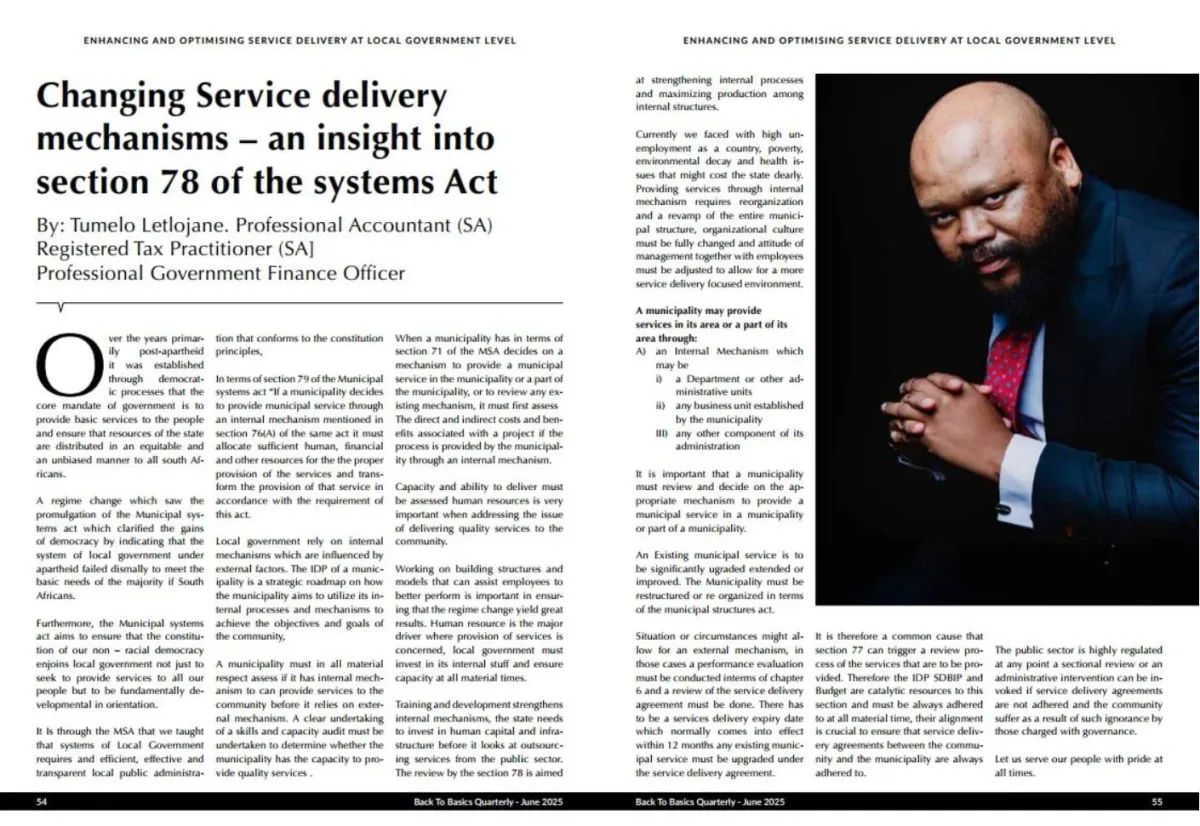
Audit & Financial Recovery in South Africa: How to Rebuild Financial Records, Fix Compliance Issues, and Restore Financial Integrity
Audit & Financial Recovery in South Africa: How to Rebuild Financial Records, Fix Compliance Issues, and Restore Financial Integrity
Introduction: When Financial Systems Break Down
Across South Africa, many businesses and organisations reach a point where their financial records are no longer reliable. This can happen due to poor bookkeeping, missed reconciliations, weak internal controls, or long periods of financial mismanagement.
When this occurs, standard accounting is no longer enough. A structured process of audit and financial recovery becomes necessary to restore accuracy, compliance, and financial credibility.
This publication explains what financial recovery means, why it becomes necessary, and how organisations can rebuild their financial systems effectively.
What is Audit and Financial Recovery?
Audit and financial recovery refers to the structured process of identifying, correcting, and rebuilding incomplete or inaccurate financial records.
It typically involves:
Reconstructing historical financial data
Correcting accounting errors and misstatements
Aligning bank transactions with accounting records
Identifying missing or unrecorded transactions
Preparing financial systems for audit readiness
This process is essential when financial records are no longer reliable or compliant.
When Financial Recovery Becomes Necessary
Organisations typically require financial recovery when they experience:
1. Long-Term Bookkeeping Gaps
Months or years of missing financial records.
2. Failed Bank Reconciliation Processes
Unmatched or unreconciled bank transactions.
3. Audit Qualifications or Findings
Auditors identify material misstatements or missing documentation.
4. Weak Internal Control Systems
Lack of structured financial oversight.
5. System Migration Errors
Data loss or inconsistencies during accounting system changes.
Common Financial Problems That Require Recovery
Financial systems often break down due to:
Incomplete accounting records
Missing invoices or supporting documents
Incorrect ledger postings
Unrecorded bank transactions
Payroll or VAT inconsistencies
Historical financial misalignment
These issues accumulate over time, making standard accounting corrections insufficient.
The Financial Risks of Poor Recordkeeping
When financial records are inaccurate, organisations face serious consequences:
1. Audit Failure Risk
Auditors may issue qualified or adverse opinions.
2. Compliance Breaches
Non-compliance with IFRS, GRAP, or tax regulations.
3. Financial Misrepresentation
Incorrect financial statements affect decision-making.
4. Cash Flow Uncertainty
Poor visibility of actual financial position.
5. Legal and Regulatory Exposure
Incorrect reporting can lead to penalties or enforcement actions.
What is the Financial Recovery Process?
A structured financial recovery process typically includes:
Step 1: Data Collection
Gathering all available financial records, including:
Bank statements
Invoices
Receipts
Accounting system data
Step 2: Transaction Reconstruction
Rebuilding missing or incomplete financial records.
Step 3: Bank Reconciliation Alignment
Matching all financial records with actual bank activity.
Step 4: Correction of Accounting Errors
Adjusting journals and ledgers to reflect accurate balances.
Step 5: System Stabilisation
Establishing a reliable accounting structure going forward.
The Role of Audit in Financial Recovery
Audit processes are closely linked to financial recovery. Audits help:
Identify financial inconsistencies
Highlight compliance gaps
Verify reconstructed financial data
Ensure alignment with reporting standards
In many cases, financial recovery is the foundation required to pass a successful audit.
Internal Controls and Recovery Success
Strong internal controls are essential during and after financial recovery.
They ensure:
Accurate ongoing bookkeeping
Prevention of repeated errors
Structured approval processes
Reliable financial reporting
Without internal controls, financial recovery efforts may fail to deliver long-term stability.
Financial Recovery in SMEs vs Public Sector
SMEs
Often require full reconstruction due to informal systems
Limited historical documentation
High reliance on manual recovery processes
Public Sector Entities
Must comply with GRAP standards
Require audit-ready documentation
Often involve complex multi-year recovery processes
Both sectors require structured, disciplined recovery approaches.
How to Prevent Future Financial Breakdown
To avoid repeating financial failures, organisations should:
1. Maintain Monthly Reconciliations
Ensure financial records are always aligned with bank data.
2. Implement Strong Accounting Systems
Use structured, reliable financial software.
3. Strengthen Internal Controls
Prevent errors before they occur.
4. Conduct Regular Financial Reviews
Early detection prevents major breakdowns.
5. Train Financial Personnel
Ensure staff understand compliance and reporting standards.
The Importance of Financial Recovery for Governance
Financial recovery is not just about fixing records—it is about restoring:
Financial credibility
Governance integrity
Audit readiness
Decision-making accuracy
Compliance stability
Without accurate financial data, governance frameworks cannot function effectively.
Conclusion
Audit and financial recovery is a critical process for organisations experiencing financial system breakdowns. By reconstructing records, correcting errors, and strengthening internal controls, organisations can restore financial integrity and ensure long-term compliance and stability.
In a regulated environment like South Africa, financial accuracy is not optional—it is essential for sustainability, accountability, and growth.
Contact Information
For professional support with audit readiness, financial recovery, and accounting system restoration:
📞 Phone: 076 999 1020
🌐 Website: https://tladvisory.co.za/